

Since ancient times, beyond any conventional notion of gender, i.e., men and women, other forms of gender have always been seen as taboo, which ultimately leads to exclusion, marginalization, and harassment against the LGBTQ+ community even...
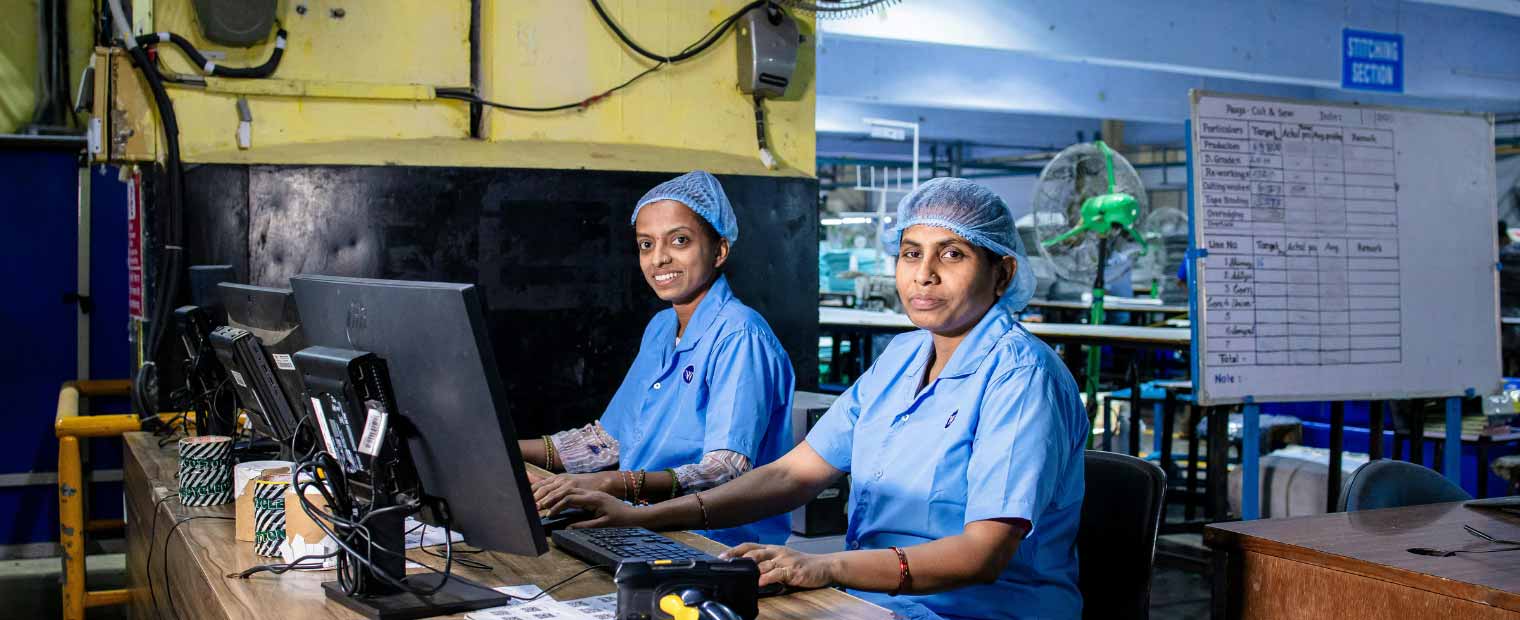
This blog explores the persistent gender gap in the global tech industry, tracing its roots from early education to biased AI tools. It highlights how structural barriers exclude women from STEM and leadership roles, despite evidence that d...

In this blog, we delve into tech industry which is hailed as the beacon of progress in India yet has deep structural exclusions with a particular focus on marginalized women. It explores only education is not sufficient to achieve the gende...

Male attitudes are essential to understand what prevents gender inclusion in the tech arena. Although, companies have policies to help integrate women into the workforce, behavioural shifts amongst men are important for long term viability ...
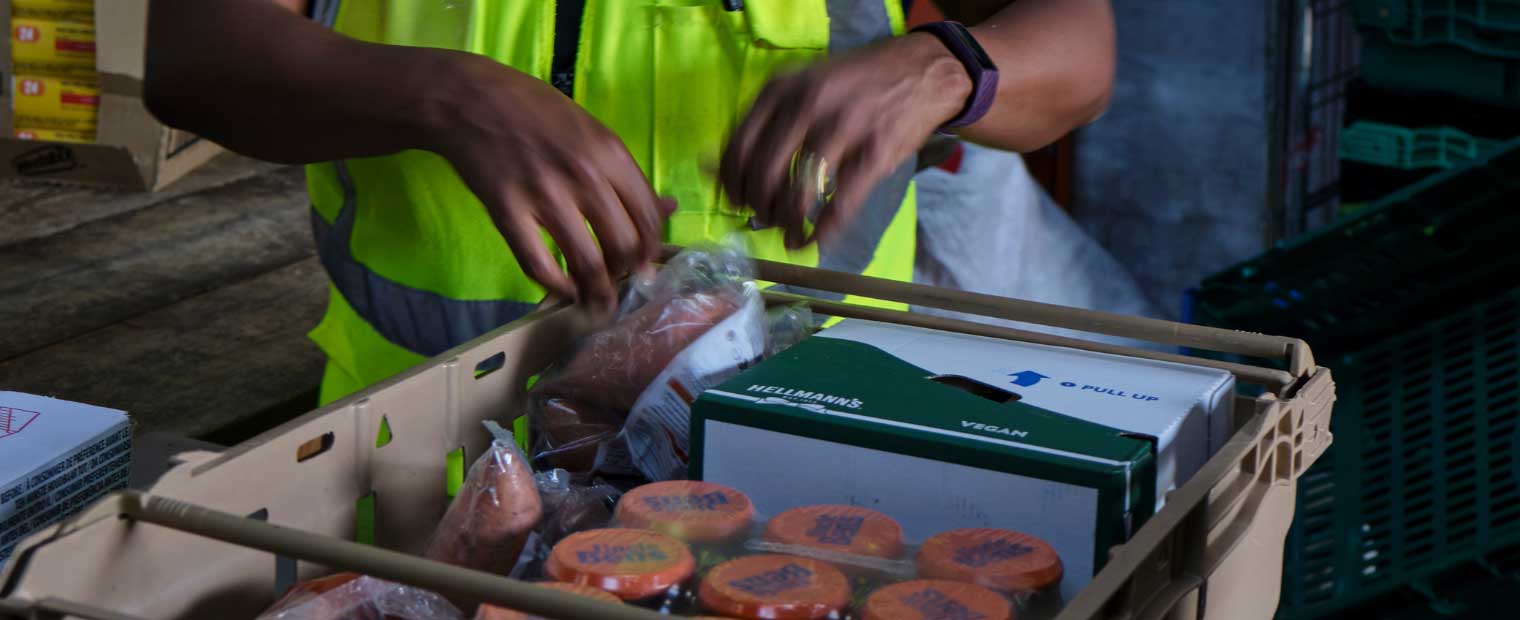
India’s nutrition landscape is rapidly evolving—from traditional midday meals in schools to burgeoning street-food hubs and cloud kitchens. While the PM?POSHAN scheme feeds 120?million children, school meal quality issues—...

India's public libraries—often neglected in funding, staffing, and infrastructure—are losing relevance as civic spaces. Hyderabad’s historic State Central Library, housing half?a?million books and rare manuscripts, suffers from poor ...

India’s regulatory system underpins sectors from pharmaceuticals to aviation but is often weakened by understaffing, bureaucratic inertia, fragmented oversight, and delayed implementation. Gupta argues regulators need independence, do...
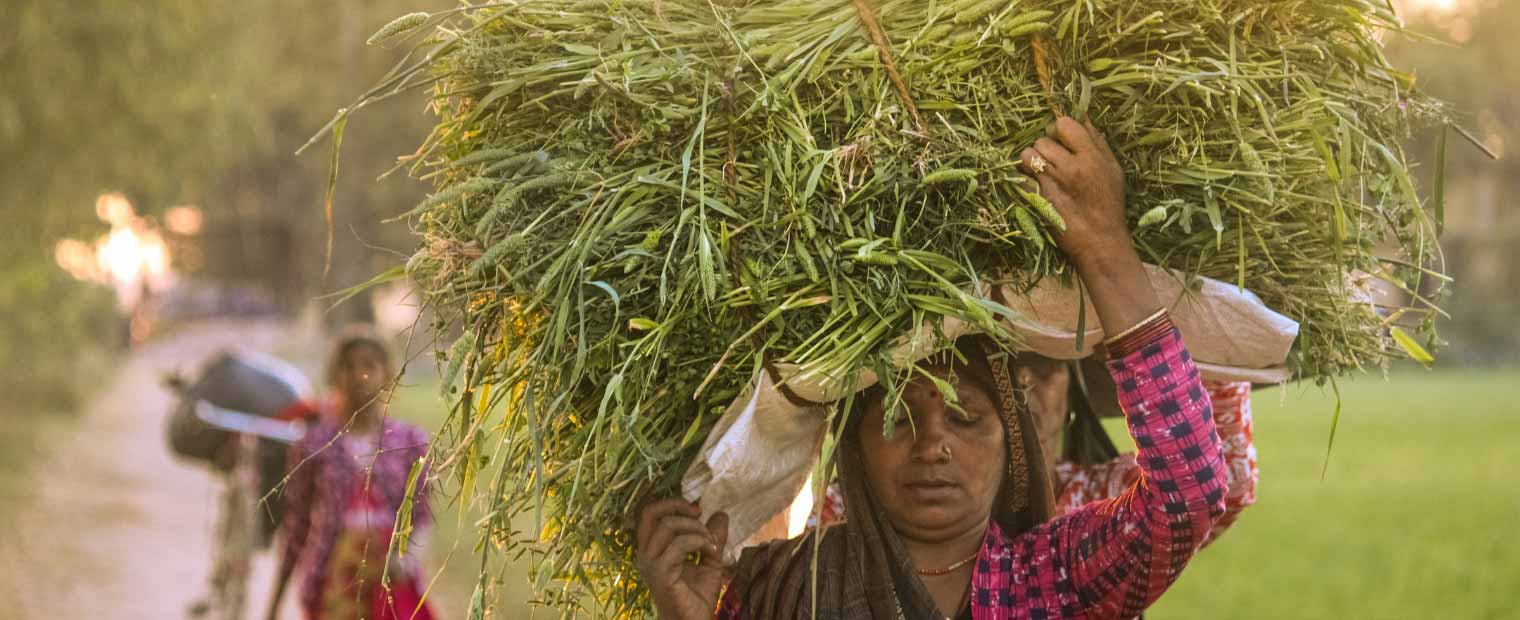
Abstract Rural women play a pivotal role in India’s economic development, significantly contributing through agriculture and entrepreneurship. Women constitute nearly 73% of the rural agricultural workforce. Despite encountering challe...

India’s gig economy promises flexibility, but for women, it delivers precariousness. Though marketed as independent “partners,” women workers—mostly from marginalised backgrounds—face algorithmic control, poor ...

India, the world’s second-largest consumer and producer of tobacco, earns over ?70,000 crore annually from tobacco taxes, but faces over 1.35 million tobacco-related deaths each year. Despite generating 2.2% of fiscal revenue, less th...