The Centre for Development Policy and Practice (CDPP), in partnership with Sahayata Trust, organised a two-day programme on “The Future of School Education” on 29 and 30 September 2026. Bringing together school students, teachers, educators, school leaders, researchers and practitioners, the programme created space to reflect on how education is changing and what schools should prepare young people for in the years ahead.
A Workshop with Students at Manchi Challenger School
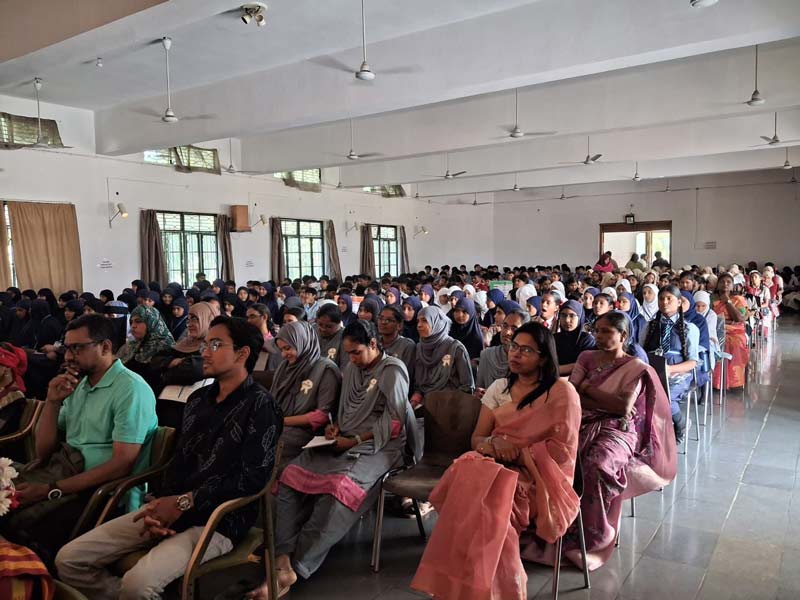
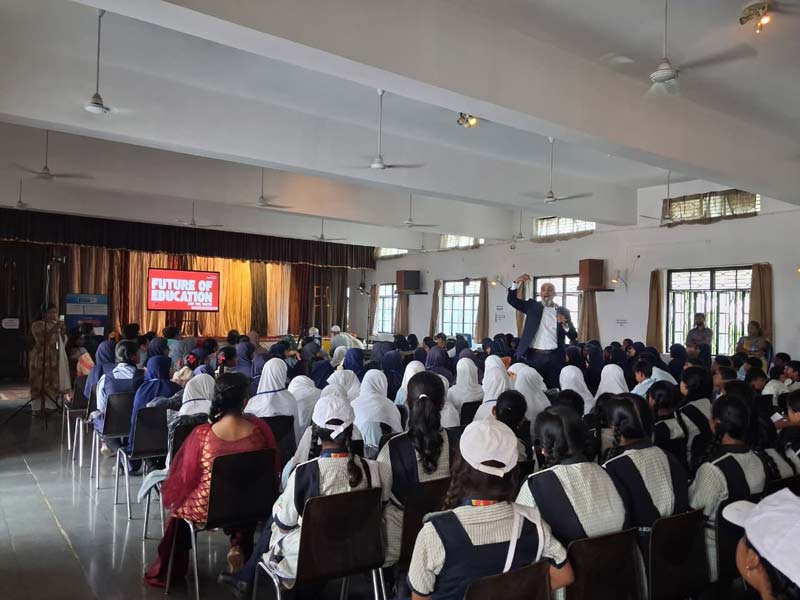
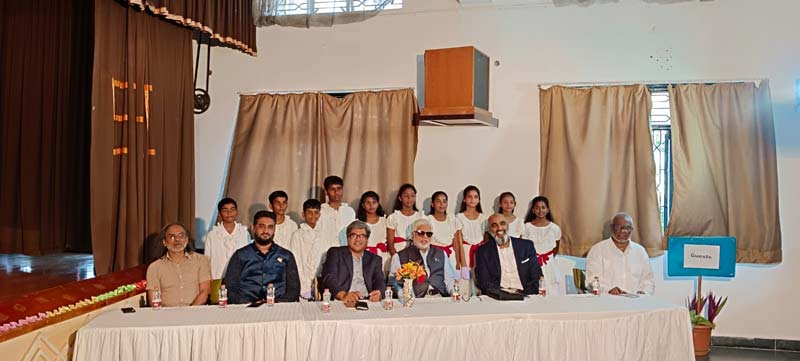
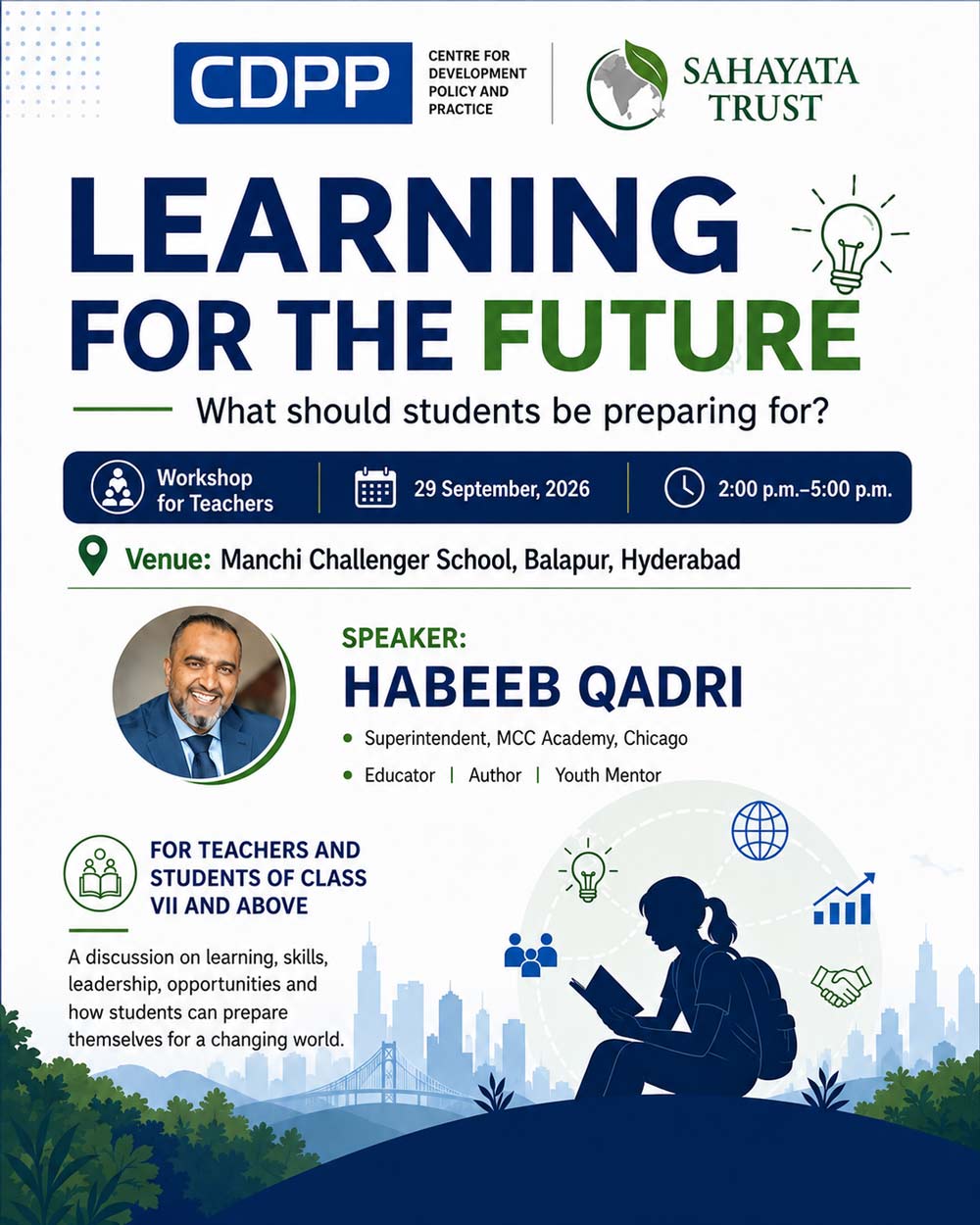
The programme began on 29 September with a student-focused workshop at Manchi Challenger School. The workshop provided students with an opportunity to engage directly with questions about their education, careers and the future they are preparing for.
The discussions encouraged students to think beyond conventional ideas of education and employment and reflect on the changing world around them. Questions around careers, technology, emerging opportunities and the skills required for the future formed part of the broader engagement with students.
Yasir Mukri and Habeeb Quadri were also part of the workshop, contributing to the conversations and engaging with students around the future of education and learning. The workshop offered an interactive space for students to share their perspectives, questions and aspirations, making their voices an important part of the two-day programme.
The student workshop also set the stage for the larger conference held the following day, where educators, researchers and school leaders examined many of the same questions from different perspectives.
A Conference on the Future of School Education
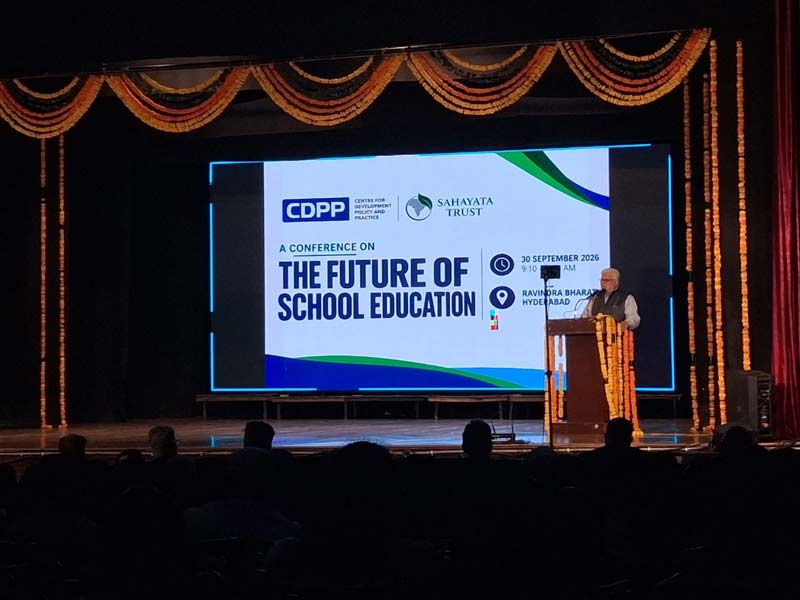
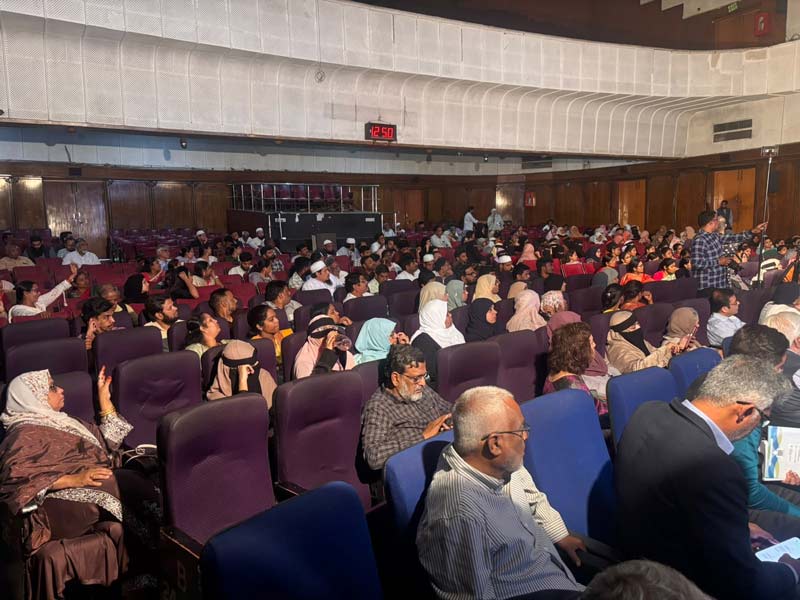
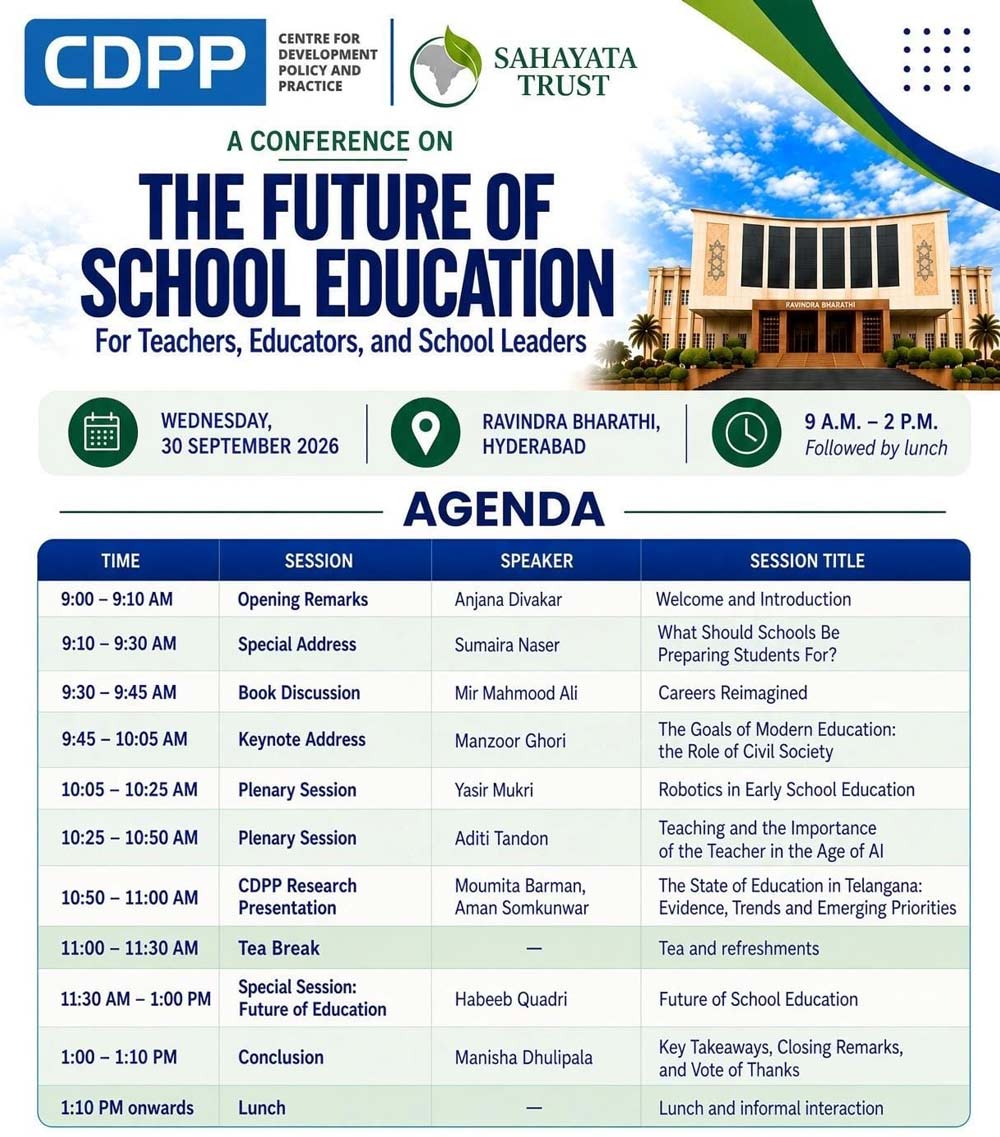
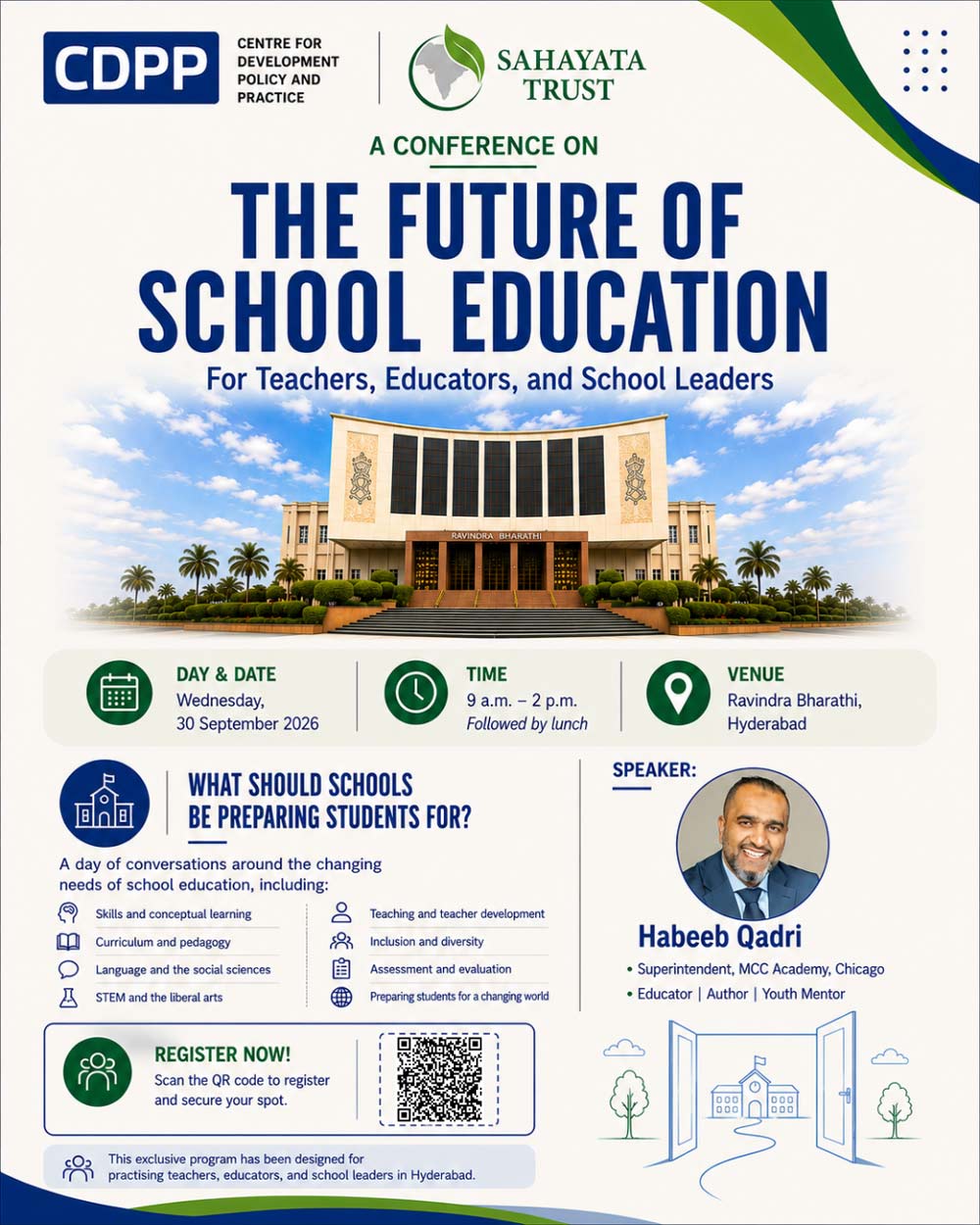
The programme culminated in the conference “The Future of School Education” on 30 September 2026 at Ravindra Bharathi, Hyderabad. The conference brought together teachers, educators, school leaders, researchers and practitioners to discuss the changing goals of education, emerging careers, technology and artificial intelligence, the role of teachers, and the importance of equity and inclusion.
The conference opened with remarks by Anjana Divakar, followed by a special address by Sumaira Naser on “What Should Schools Be Preparing Students For?” The session invited participants to think beyond conventional academic outcomes and consider the broader knowledge, skills and capabilities that students need to navigate changing educational and professional landscapes.
A book discussion led by Mir Mahmood Ali on Careers Reimagined explored the changing nature of careers and what these changes mean for the way schools prepare students for their futures.
This was followed by a keynote address by Manzoor Ghori on “The Goals of Modern Education: The Role of Civil Society,” which examined the wider purposes of education and the role that civil society can play in shaping educational institutions and outcomes.
Technology, Robotics and the Role of Teachers
Technology and its implications for school education formed an important part of the conference.
Yasir Mukri spoke on “Robotics in Early School Education,” exploring the possibilities of introducing robotics and emerging technologies into school learning and how such tools can shape students’ engagement with technology from an early stage.
This was followed by a session by Aditi Tandon on “Teaching and the Importance of the Teacher in the Age of AI.” The session examined how the growing use of artificial intelligence is changing the educational environment while highlighting the continuing importance of teachers.
While AI and other technologies can expand the possibilities of teaching and learning, teachers remain central to creating meaningful learning experiences, providing guidance, building relationships with students and helping young people engage with technology thoughtfully and responsibly.
Understanding Education Through Evidence
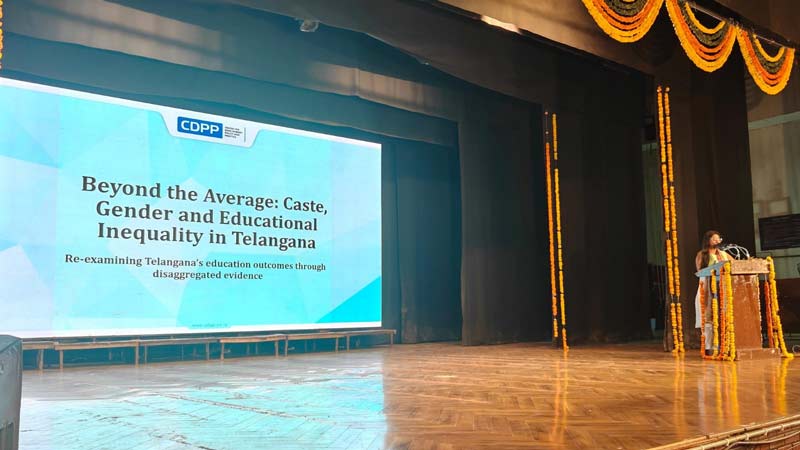
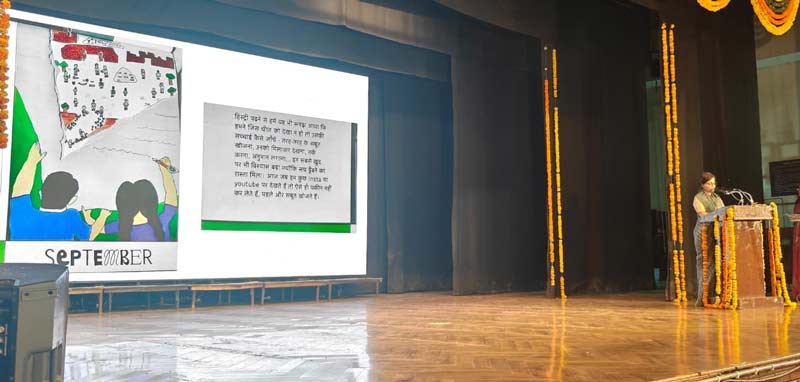
The conference also featured a CDPP research presentation by Moumita Barman and Aman Somkunwar on “The State of Education in Telangana: Evidence, Trends and Emerging Priorities.”
The presentation brought an evidence-based perspective to the wider discussions, examining current trends and emerging priorities in education in Telangana. Grounding conversations about the future of education in evidence is essential for understanding the current state of education and identifying areas that require greater attention.
Imagining the Future of School Education
The special session on “Future of School Education,” led by Habeeb Quadri, brought together several of the themes discussed throughout the programme. The session encouraged participants to think about how schools can respond to changing social, economic and technological contexts while remaining centred on the needs and development of learners.
A recurring theme across the two days was that the future of education cannot be understood simply as a question of adopting new technologies or introducing new subjects. Schools must also help students develop critical thinking, creativity, collaboration, problem-solving abilities, adaptability and the confidence to continue learning throughout their lives.
The discussions also highlighted the importance of ensuring that educational innovation remains inclusive and equitable. As new technologies, learning approaches and career opportunities emerge, it is necessary to ask not only what is possible, but also who has access to these opportunities and how their benefits can reach students across different social and economic backgrounds.
Connecting Research with Schools
The programme also provided an opportunity to introduce an ongoing CDPP academic research study on the educational and career aspirations of students in Classes 10–12 across urban Hyderabad.
The study seeks to understand how young people imagine their educational and career futures, as well as the opportunities and challenges that shape their ability to pursue those aspirations.
CDPP invited school principals and educational institutions to support and participate in this research initiative. Through engagement with schools and students, the study aims to contribute to a deeper understanding of how aspirations are formed and how social, educational and institutional factors influence young people's pathways towards their futures.
A Collective Conversation on Education
The two-day programme concluded with Manisha Dhulipala’s closing remarks and vote of thanks. The closing session emphasised that the future of school education cannot be shaped by schools alone. It requires continued collaboration among students, teachers, school leaders, parents, civil society organisations, policymakers, researchers and technology practitioners.
CDPP extends its sincere gratitude to Sahayata Trust for partnering with CDPP in bringing the programme together, and to all the speakers and contributors who generously shared their knowledge, experiences and perspectives.
A heartfelt appreciation also goes to the entire CDPP team for their coordination and hard work in organising the programme, and, most importantly, to the students, teachers, educators, school leaders and other participants who joined the workshop and conference, shared their experiences and contributed to the discussions.
The programme reinforced a central message: the future of education is not something that will simply happen to us; it is something we have the opportunity to collectively shape. Keeping learners at the centre, supporting teachers, using technology responsibly, relying on evidence, and remaining committed to equity and inclusion will be essential to building schools that prepare students not only for the future, but also to actively shape it.