Sexual and Reproductive Rights in Occupational Health Policies for Women in Indian Agriculture
28-04-2026

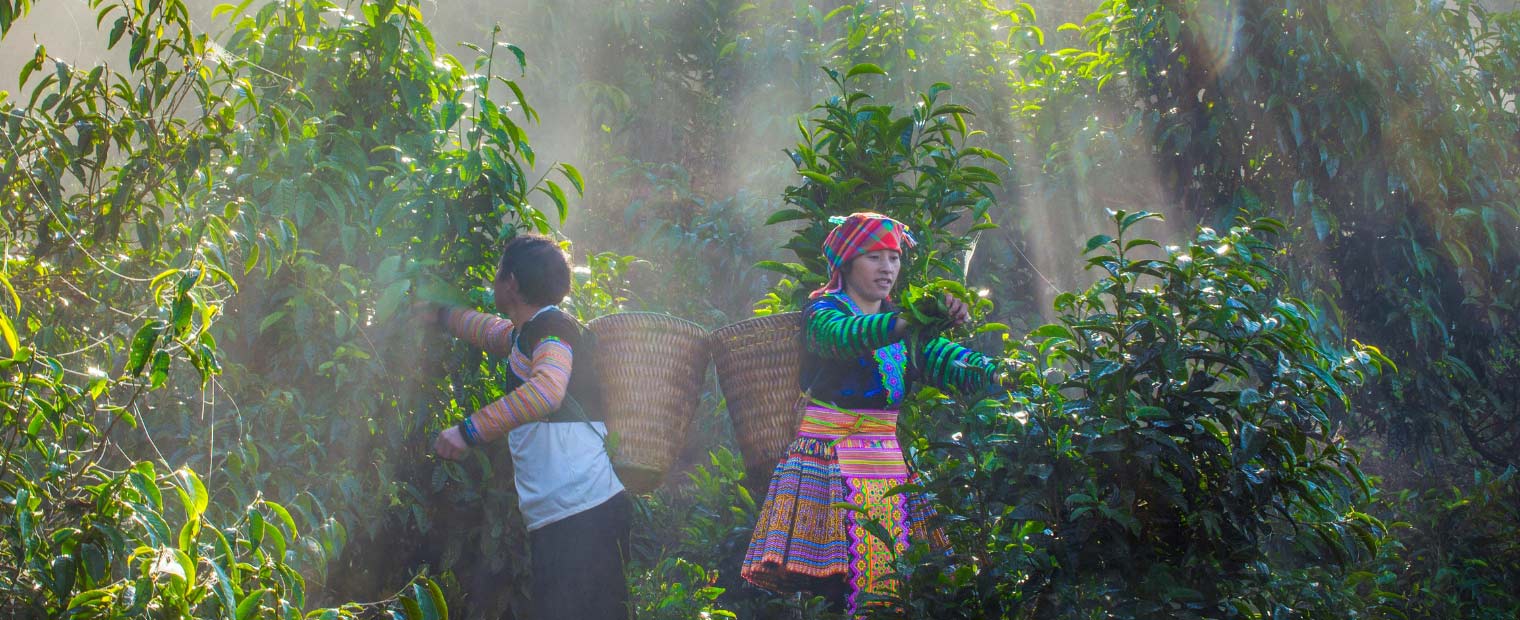
Women remain inadequately supported by existing occupational health frameworks in agriculture. Existing policies do not address the Sexual and Reproductive Health (SRH) concerns of women despite their major contribution to the sector. Key occupational hazards contribute to severe SRH outcomes like infertility, miscarriages, or Reproductive Tract Infections (RTIs). However, there is no provision protecting women from such hazards in the workplace in informal sectors such as agriculture. The article emphasises the need for an intersectional approach to occupational health and SRH among women in the Indian agricultural sector, alongside community-based awareness initiatives that may lead to sustainable improvements in women farmers’ SRH rights protection and accessibility.
Introduction
Access to Sexual and Reproductive Health (SRH) is a critical yet overlooked aspect of wellbeing, especially when considering the occupational health of women. India’s agricultural workforce is approximately 64.4% women (Banerjee, 2025), yet policies do not adequately address the needs of women in the workforce. Women face several unaddressed occupational hazards in farms, such as extreme weather conditions, exposure to agricultural chemicals, infections, lack of sanitation, ergonomic disparities in equipment design, and extreme distress (Gohain, 2026). These have a direct impact on these women’s SRH in the form of issues like infertility, miscarriages, hormonal imbalances, uterine prolapse, Reproductive Tract infections (RTIs), among others.
SRH and Women in the Agricultural Landscape
The World Health Organization (WHO) emphasises that access to SRH is a human right and should be available to all people throughout their lives. However, the agricultural sector's failure to promote these rights is evident in the rise in cases of insufficient SRH resources. The lack of accessibility is evident in the increase in hysterectomies in the Beed district of Maharashtra (Pandey, 2019). As per Wikipedia, a hysterectomy refers to the surgical removal of the uterus for the treatment of major health conditions. However, contractors and doctors forced women in Beed to undergo the procedure to secure sustained work as sugarcane harvesters. In 2019, the Maharashtra state assembly legislator Neelam Gorhe raised the issue of the rising number of hysterectomies in Beed district, revealing that 4605 hysterectomies were recorded over a three-year period, most of which were performed on sugarcane harvesters. Pandey at the BBC reported that women in the district complained of increased health concerns after undergoing surgery. Further inquiry suggested that doctors recommended procedures as a response to minor gynaecological problems encountered by the women due to poor hygiene conditions at their workplace. The Maharashtra Government took legal action to regulate such procedures more strictly, alongside running health awareness campaigns. (Ministry of Women and Child Development, 2025).
While one side of the spectrum became victim to intense surgeries, the other side remained victim to normalisation. The cultural stigma and dismissal of female pain has remained prevalent as women do not consider serious SRH conditions, including uterine prolapse, painful and irregular periods, vaginal infections, as health concerns. This highlights the lack of awareness that may lead to difficulties in problem identification and hinder efforts to provide access to SRH through healthcare policies (Han et al., 2026).
Role of Policy and Community in Ensuring Accessibility
These instances, among many others, serve as proof of the failure of the existing policies for SRH and occupational health for women. The exclusion of women from policy-making in informal sectors such as agriculture is the primary cause of this gap. Multani (2017) claims that even though more than 90% of women work in the informal sector, there are no official legislative safeguards to protect their rights, largely due to patriarchal forces sidelining women in the field. The Agricultural Workers (Welfare and Protection) Bill, 2022, takes a step toward increasing SRH accessibility but remains limited to maternity and childcare benefits. The bill mentions other SRH services under the general health facilities tag. However, as noted previously, women workers cannot benefit from these efforts due to a lack of awareness.
People from historically marginalised groups are more vulnerable to discrimination at the workplace and yet remain unprotected in most ways (Podh, 2025). Furthermore, factors that influence SRH for women in agriculture operate across different political spheres, such as climate change, agricultural development initiatives, and women’s health (Han et al., 2026), resulting in policies that remain intersectionally ignorant.
The International Labour Office (ILO) Convention succeeded in ensuring that ‘special needs of women agricultural workers are taken into account’ in Article 18 (Report IV (1), 2000). They address the intersectional nature of SRH rights and recommend strategies to address them. Some of these proposed recommendations included risk assessment of hazardous substances in the field, surveillance to prevent intense or sustained physical or mental effort, sanitation and decontamination initiatives, and the provision of social security and insurance against occupational health hazards.
However, such frameworks remain ineffective without active campaigns to raise workers' awareness of their rights and the laws that protect them. Community-led models that operate on a smaller scale, directly alongside agricultural workers, are effective in raising workers' awareness. Farmer’s Pride International (FPI) works to integrate SRH rights education into agricultural training to raise awareness among farmers, both men and women, thereby improving overall health outcomes in rural communities (Farmer’s Pride International, n.d.). State initiatives and policy interventions have also played a major role in ensuring workers' accessibility and safety. In 1992, the Bihar state government allowed women to take two additional days of menstrual leave each month (Pandey, 2019). This system worked well to ensure the fulfilment of women’s needs, leading to a healthier female working population.
Conclusion
Women farmers face extreme work conditions and intersectional burdens that contribute to major sexual and reproductive health concerns. However, the stigma and lack of awareness about sexual and reproductive health lead to the dismissal of these concerns. Despite the seriousness of these issues, there is a significant gap in existing occupational health policies in addressing the sexual and reproductive concerns of women working in agriculture. Therefore, the need to revise and update occupational health policies is substantial. Indian policymakers must expand policy language to include a broader understanding of SRH beyond maternity and adopt an intersectional approach to policymaking and implementation to build sustainable models. Structural reforms in the agricultural sector, such as women-friendly ergonomic design and the reduction of sustained labour, are required, alongside efforts to engage local farmers and build networks of gender-inclusive education to reduce myths around sexual and reproductive health and encourage the communal sharing of care. The government's administrative efforts are beneficial for acknowledging and addressing women's SRH concerns, ensuring fairness and accessibility to health infrastructure, sanitation, and legislation on occupational health and sexual and reproductive health. It is also essential to monitor progress and measure the impact of policy frameworks, periodically updating them to adapt to changing environmental needs and prevent the exclusion of vulnerable groups, such as women, in the field.
References
Banerjee, M. (2025, October 24). Closing the knowledge gap for women in agriculture. Observer Research Foundation. https://www.orfonline.org/expert-speak/closing-the-knowledge-gap-for-women-in-agriculture#:~:text=However%2C%20there%20is%20one%20sector,%2C%20cleaning%20produce%2C%20and%20storage
Farmer’s Pride International. (n.d.). SRHR in agriculture. https://www.farmersprideinternational.org/srhr-in-agriculture
Gohain, M. (2026). Occupational safety & health (OSH) prerogatives for women in unorganized sector: A look into the concerns of agricultural workers. International Journal for Multidisciplinary Research, 8(2), 1-13. https://www.ijfmr.com/papers/2026/2/69784.pdf
Han, P., Jarligo, S., Philip, S., & Victorino, A. (2026, March 30). Beyond periods and patriarchy: The intersections of reproductive health, agricultural work, and climate change in India. PLOS Blogs: Speaking of Medicine and Health. https://speakingofmedicine.plos.org/2026/03/30/beyond-periods-and-patriarchy-the-intersections-of-reproductive-health-agricultural-work-and-climate-change-in-india/
International Labour Office. (2000). Safety and health in agriculture (Report IV (1)). International Labour Conference, 89th Session.https://learning.itcilo.org/ilo/jur/en/bibl/89-rep-IV-1-eng.pdf
Kalyani, K. S., Singh, K. D., & Naidu, S. K. (2008). Occupational health hazards of farm women in tobacco cultivation. Indian Research Journal of Extension Education, 8(1), 9-12.https://api.seea.org.in/uploads/pdf/v0813.pdf
Meenakshi, J. R., & Panneer, S. (2020). Occupational health of agricultural women workers in India. Indian Journal of Community Medicine, 45(4), 546-549. https://doi.org/10.4103/ijcm.IJCM_397_19
Ministry of Women and Child Development. (2025, July 30). Reproductive health rights of female migrant sugarcane workers (Rajya Sabha Unstarred Question No. 1278). Rajya Sabha.https://sansad.in/getFile/annex/268/AU1278_HnPBls.pdf?source=pqars
Multani, N. (2017). Women workers in agricultural sector: A literature review. IRA-International Journal of Management & Social Sciences, 6(1), 24-30. https://doi.org/10.21013/JMSS.V6.N1.P4
Nagarathnamma, K. S., & Jadhav, R. K. (2018). Role of women labourers in agriculture: A case study. Review of Research, 7(12).https://oldror.lbp.world/UploadedData/5884.pdf
Pandey, G. . (2019, July 5). Why are menstruating women in India removing their wombs? BBC News. https://www.bbc.com/news/world-asia-india-48831346
Patil, U. B. (2022). The Agricultural Workers (Welfare and Protection) Bill, 2022 (Bill No. 90 of 2022). Lok Sabha.https://sansad.in/getFile/BillsTexts/LSBillTexts/Asintroduced/90%20of%202022%20As.pdf
Podh, K. K. (2025). Women, agriculture, and health: Exploring the reproductive health problems of laborers in the era of the Green Revolution in Odisha. Journal of Indian and African Studies, 1(1), 58-84. https://www.arfjournals.com/image/catalog/Journals%20Papers/JIAS/2025/No%201%20(2025)/4-Dr.%20KIshor%20Podh-4.pdf
Singh, S., & Arora, R. (2010). Ergonomic intervention for preventing musculoskeletal disorders among farm women. Journal of Agricultural Science, 1(2), 61-71.