Periods Under Siege: How War in Gaza is Shaping Menstrual Health
16-03-2026
Introduction
The crumble of urban infrastructure in Gaza has created a severe health crisis concerning menstrual health. The destruction of water and sanitation networks converts natural biological processes like menstruation into serious medical emergencies.
Menstruation Under Siege in the Gaza Strip
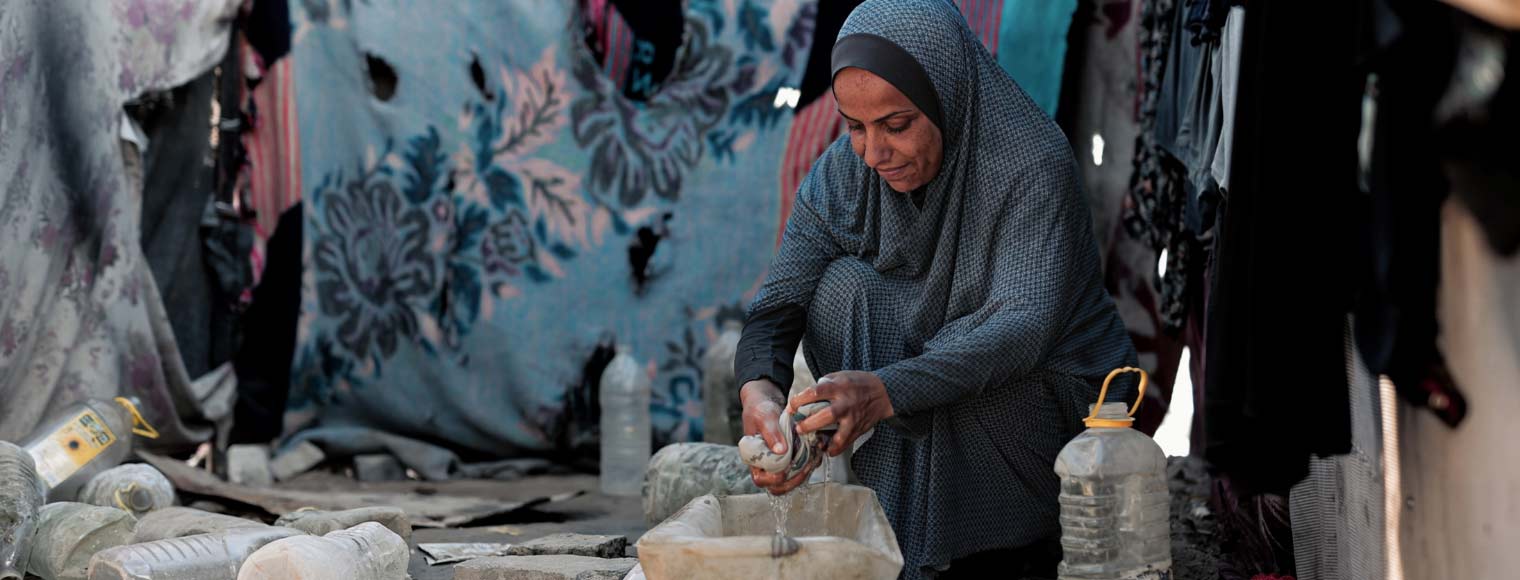
According to the United Nations Population Fund, military operations have destroyed approximately 90 percent of water and sanitation infrastructure in Gaza. This structural destruction has left over 700,000 menstruating women and adolescent girls without proper materials or privacy. Mass displacement has forced people to share crowded and confined spaces, with as many as 400 people sharing just one toilet. According to another researcher, women in Gaza require at least 10.3 million sanitary pads monthly. Distribution of goods, especially menstrual products, have been disrupted and restricted by the Israeli military activity and most of the menstruating population is helpless. Women and girls are using torn clothes, old rags, sponges, baby diapers, and even pieces of tent fabric as makeshift pads. With high risks of hormonal imbalance, nausea, and irregular bleeding, many women have also been relying on period-delaying pills like norethisterone.
The physical consequences are immediate. The spread of reproductive tract infections (RTIs) has also increased due to the inability to wash or change materials in overcrowded tents.
Constant fear and stress from explosions make the body release high levels of cortisol. This can disturb the body’s natural system that controls periods. A number of women and girls have been experiencing problems with their menstrual cycles, and in some cases their periods stop for several months (amenorrhea). Furthermore, malnutrition is causing severe iron-deficiency anemia, especially among women and girls, and the monthly blood loss is making the body feel weak and tired.
A Call for "Menstrual Justice"
Menstrual Hygiene Management (MHM) can no longer be a secondary concern in humanitarian aid and crisis situations. It is a fundamental human right..
The integration of MHM into emergency response systems is not just about handing out pads. It is fundamentally about restoring the infrastructure of dignity. Sustainable and culturally appropriate menstrual products need to be provided in all aid kits. Private, female-only wash infrastructure needs to be prioritised in displacement camps. Menstrual problems need to be recognised as medical emergencies in conflict zones.
Governments and international organisations must include menstrual health in their emergency plans for conflict affected zones. Sanitary products should be treated as essential health supplies, so they are not delayed at borders or made expensive through taxes.
References