Climate Change Is a Women’s Health Crisis We Are Still Ignoring
26-03-2026
A Crisis Hidden in Plain Sight
Climate change is often framed as an environmental or economic issue. This framing, however, conceals a critical truth. It is also a major public health crisis, and one that disproportionately harms women. As highlighted in the Women’s Health in the Climate Crisis report by Energy Tracker Asia (2026), the intersection of climate change and gender inequality is structural, systemic, and urgent.
Across the world, rising temperatures, extreme weather events, and environmental degradation are reshaping health outcomes. These impacts are not evenly distributed. Women, particularly those in low-income and climate-vulnerable communities, face greater risks because of unequal access to healthcare, resources, and decision-making power (Energy Tracker Asia, 2026). Climate change therefore acts as a threat multiplier that intensifies existing inequalities.
Heat, Work, and Invisible Risks
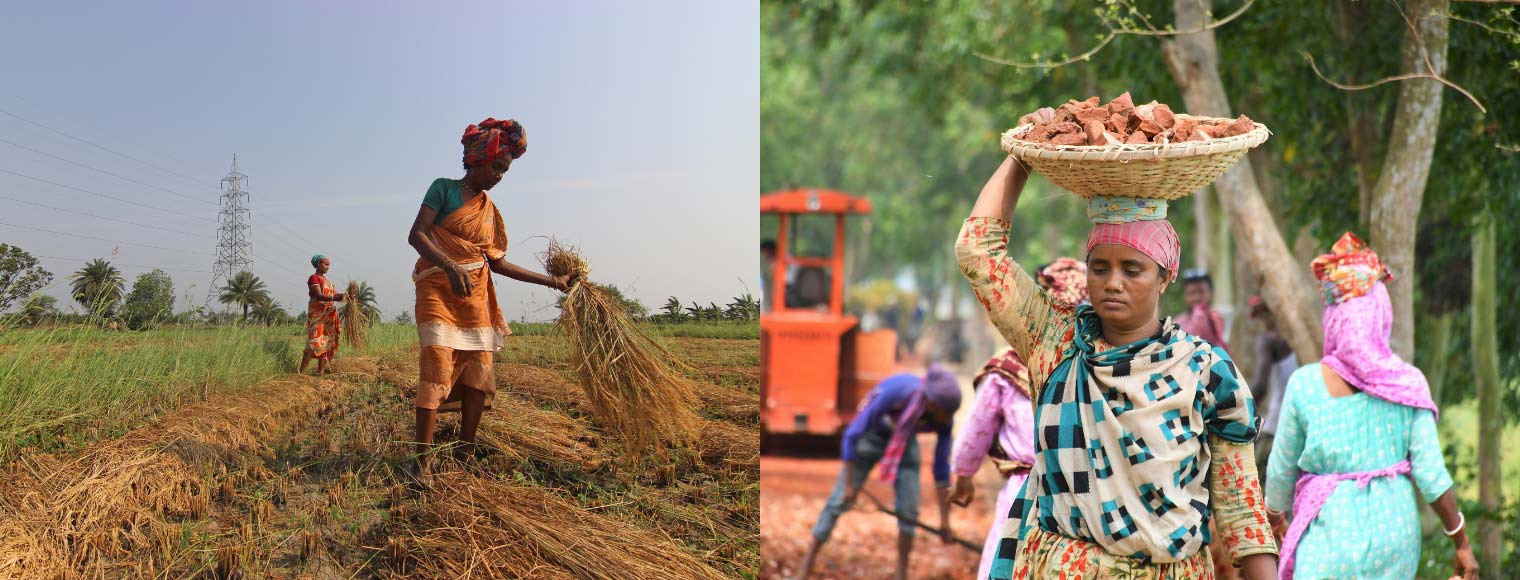
Extreme heat provides a clear example. Research from University College London suggests that climate inaction is already costing one life per minute due to heat exposure (UCL, 2025). Women are especially vulnerable, partly due to physiological differences, but also because many work in agriculture and informal sectors where prolonged exposure to high temperatures is unavoidable (Asian Development Bank, 2023). In India, the consequences are severe. An estimated 27,000 women die each year from heat-related causes, and this number is expected to increase significantly by 2050 (Energy Tracker Asia, 2026). The crisis extends beyond heat exposure. Drought and water scarcity increase the burden of unpaid labour, which is largely carried by women. Many are forced to travel longer distances to collect water, reducing time for education, income generation, or rest.
Water, Dignity, and Daily Struggles
Water scarcity also affects menstrual health. Around 40% of women in low-income communities report challenges managing menstruation due to inadequate water and sanitation, contributing to school dropouts among girls (International Water Management Institute, 2023). These are not minor inconveniences but structural inequalities that reinforce disadvantages.
Climate-related disasters further deepen these risks. During the 2022 floods in Pakistan, more than 1,000 health facilities were damaged or destroyed, leaving tens of thousands of pregnant women without access to essential maternal care (International Water Management Institute, 2022). Such disruptions increase maternal mortality risks and expose women to higher levels of gender-based violence (UN Women, 2023). Recovery is also uneven, as women often lack access to savings, insurance, or stable employment.
Threats to Reproductive and Mental Health
The effects on reproductive health are particularly alarming. A 2024 report by the World Health Organization shows that rising temperatures and pollution increase the risks of preterm birth, low birth weight, and pregnancy complications (WHO, 2024). Each one-degree Celsius rise in temperature can increase the risk of infant mortality by over 20 percent. These findings show that climate change is shaping not only the environment but also the conditions of human reproduction.
The mental health burden is equally significant. Women, often primary caregivers, experience heightened stress during climate crises. Studies indicate increased rates of anxiety, depression, and trauma among women in climate-affected regions (Frontiers in Psychiatry, 2024). These impacts are closely tied to economic insecurity, displacement, and loss of livelihoods.
A System Failing Women
Despite growing evidence, global responses remain inadequate. Women’s organisations that provide essential services are facing severe funding shortages. A UN Women survey found that 90 percent of such organisations have been affected by funding cuts, placing vulnerable communities at greater risk (UN Women, 2025). Without sustained investment, policy commitments risk remaining symbolic rather than transformative.
What Needs to Change
There are viable and practical solutions, but they require a shift in both policy and perspective. Gender-responsive climate action must move from rhetoric to implementation. Investments in healthcare, early warning systems, and labour protections tailored to women’s realities are essential. Expanding access to primary and reproductive healthcare in climate-vulnerable regions must also be prioritised.
Some interventions are already demonstrating impact. For example, solar electrification of rural health facilities in Nepal has improved maternal and newborn care by ensuring reliable electricity for essential medical services (UNICEF, 2023). Similarly, early warning systems and workplace protections that account for women’s specific needs can significantly reduce risks during extreme weather events (World Meteorological Organization, 2023).
Equally important is recognising and scaling local leadership. In coastal Odisha, several women such have demonstrated what effective adaptation looks like in practice. Through climate-resilient farming, community mobilisation, and disaster preparedness efforts, they have strengthened both livelihoods and resilience in their villages. Supported by initiatives involving the Government of India, the Green Climate Fund and UNDP, hundreds of women have been trained as ‘Climate Champions’, restoring ecosystems such as mangroves and guiding communities through extreme weather events.
Their work shows that climate solutions are most effective when they are locally rooted and inclusive. It also demonstrates that women are not merely beneficiaries of climate policy but essential drivers of change. Scaling such initiatives will require sustained funding, institutional support, and a firm commitment to placing women at the centre of climate decision-making.
A Question of Justice
The climate crisis is already unfolding. The real question is whether policymakers will continue to treat women’s health as a secondary concern or recognise it as central to climate justice. Without this shift, the costs will continue to fall on those least responsible and least equipped to bear them.
References
Asian Development Bank. (2023). Safeguarding women’s health in the face of rising temperatures.
https://blogs.adb.org/blog/safeguarding-women-s-health-face-rising-temperatures
Energy Tracker Asia. (2026). Women’s health in the climate crisis. https://energytracker.asia/publication/womens-health-in-the-climate-crisis/
Frontiers in Psychiatry. (2024). Impact of climate change on women mental health.
https://www.frontiersin.org/journals/psychiatry/articles/10.3389/fpsyt.2024.1450943/full
International Water Management Institute. (2023). Menstrual hygiene management.
https://www.iwmi.org/blogs/menstrual-hygiene-management-a-missing-piece-in-the-water-agenda/
International Water Management Institute. (2022). Women are hit hardest when climate strikes in Pakistan.
https://www.iwmi.org/news/women-are-hit-hardest-when-climate-strikes-in-pakistan/
UN Women. (2023). Gender inequality and climate change.
UN Women. (2025). Survey on women’s organisations and funding cuts.
UNICEF. (2023). Bringing light and life in Nepal.
https://www.unicef.org/nepal/stories/bringing-light-and-life
University College London. (2025). Climate change inaction costing a life a minute.
World Health Organization. (2024). Climate change impacts on pregnant women.
World Meteorological Organization. (2023). Gender equality in disaster risk reduction.